
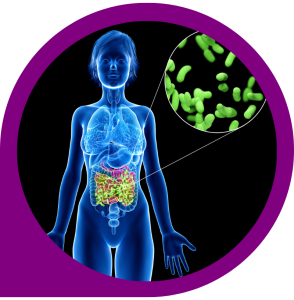
Your gut is often called your “second brain,” and for good reason. The gastrointestinal tract houses approximately 70% of your immune system and produces over 90% of your body's serotonin. When your gut microbiome falls out of balance, the effects ripple far beyond digestion. Here are five warning signs that your gut health may need attention — and how targeted probiotic supplementation can help address each one.
1. Persistent Bloating and Gas
Occasional bloating after a large meal is normal, but persistent or daily bloating is one of the earliest and most common signs of gut dysbiosis. When the balance between beneficial and harmful bacteria shifts, certain bacterial populations can overproduce gas during the fermentation of dietary carbohydrates. This excess gas production leads to abdominal distension, discomfort, and that uncomfortably “full” feeling even after small meals.
Probiotics can help by restoring microbial balance and improving the efficiency of carbohydrate digestion. Specific strains like Lactobacillus acidophilus and Bifidobacterium lactis have been shown in clinical studies to significantly reduce bloating frequency and severity within two to four weeks of consistent supplementation.
Your gut does not just digest food — it orchestrates your immune defence, influences your mood, and determines how much energy you have.
2. Unexplained Fatigue and Low Energy
If you are getting adequate sleep but still feel chronically tired, your gut may be the culprit. A compromised gut microbiome can impair the absorption of essential nutrients including B vitamins, iron, and magnesium — all of which play critical roles in cellular energy production. Furthermore, gut dysbiosis can trigger low-grade systemic inflammation, which redirects metabolic resources away from energy production and toward immune defence.
Probiotic supplementation supports nutrient absorption by maintaining the integrity of the intestinal lining and enhancing the activity of digestive enzymes. Many users report noticeable improvements in energy levels within the first month of starting a quality probiotic regimen.
3. Skin Problems: Acne, Eczema, and Rosacea
The gut-skin axis is a well-established concept in dermatology. Research has consistently demonstrated that individuals with inflammatory skin conditions like acne, eczema, and rosacea are significantly more likely to have gut microbiome imbalances than those with clear skin. The mechanism is straightforward: when the intestinal barrier becomes permeable (a condition sometimes called “leaky gut”), partially digested food particles and bacterial toxins can enter the bloodstream, triggering an immune response that manifests as inflammation in the skin.
Probiotics help by strengthening the intestinal barrier through the production of short-chain fatty acids and tight junction proteins. Strains such as Lactobacillus rhamnosus GG have been specifically studied for their ability to reduce the severity of atopic dermatitis and acne vulgaris.
4. New Food Sensitivities
Developing sensitivities to foods you previously tolerated without issue is a red flag for compromised gut health. When the diversity of your gut microbiome decreases, the range of foods your body can efficiently digest also narrows. Reduced populations of fibre-fermenting bacteria can lead to incomplete breakdown of complex carbohydrates, while diminished lactobacillus populations can impair lactose digestion.
The resulting symptoms — cramping, nausea, diarrhoea, or headaches after eating certain foods — are often mistaken for true food allergies when they are actually signs of an under-functioning microbiome. Reintroducing beneficial bacteria through multi-strain probiotic supplementation can gradually restore your gut's ability to handle a diverse diet, often allowing previously problematic foods to be tolerated again.
5. Frequent Illness and Weak Immunity
If you find yourself catching every cold, flu, or stomach bug that circulates your office or household, your gut health is likely compromised. The gut-associated lymphoid tissue (GALT) constitutes the largest mass of immune tissue in the human body, and its effectiveness depends directly on the composition of the microbiome.
Beneficial bacteria stimulate the production of secretory IgA antibodies, enhance the activity of natural killer cells, and maintain the physical barrier that prevents pathogenic organisms from crossing the intestinal wall. Clinical trials have demonstrated that probiotic supplementation can reduce the incidence and duration of upper respiratory tract infections by 30–50%, particularly during the winter months when transmission rates peak.
What You Can Do Today
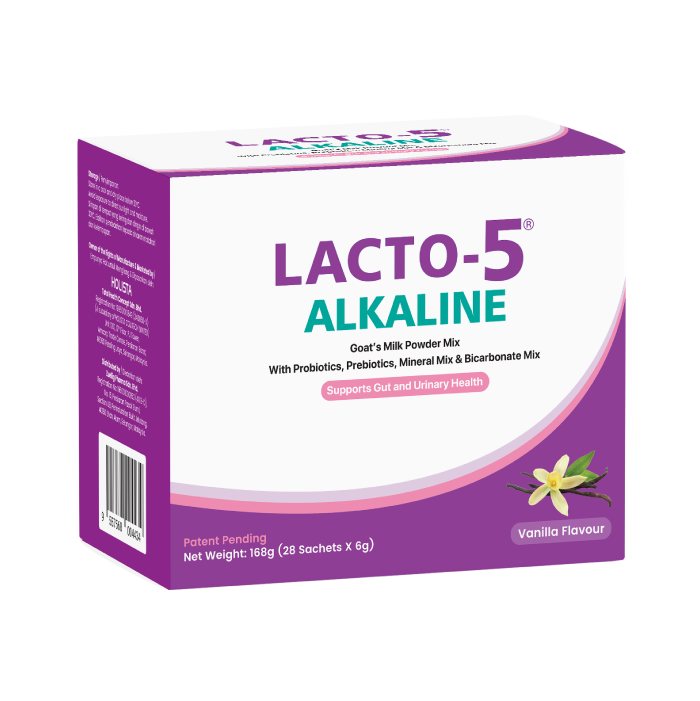
If you recognise two or more of these signs in your own health, taking action to support your gut microbiome is a worthwhile investment. Beyond supplementation, consider increasing your intake of prebiotic-rich foods (garlic, onions, bananas, asparagus) that feed beneficial bacteria, reducing processed food consumption, managing stress through regular physical activity, and ensuring adequate sleep. A quality multi-strain probiotic like LACTO-5 Alkaline can accelerate the rebalancing process by delivering clinically validated bacterial strains directly to your gut in doses proven to make a measurable difference.
“Your gut does not just digest food — it orchestrates your immune defence, influences your mood, and determines how much energy you have. When it asks for help, listen.”
— Holista Digestive Health Team