


Glycemic Index Explained
The Glycemic Index (GI) is a ranking system that measures how quickly a carbohydrate-containing food raises blood glucose levels compared to pure glucose. Foods are scored on a scale of 0 to 100: low-GI foods (55 or below) are digested slowly and produce gradual rises in blood sugar, medium-GI foods (56–69) cause moderate increases, and high-GI foods (70 and above) trigger rapid spikes. White bread, a dietary staple consumed by billions worldwide, typically scores between 70 and 75 on the glycemic index — placing it firmly in the high-GI category.
Our goal is not to take away the foods people love — it is to make those foods work better for their health.
Why Conventional Low-GI Approaches Fall Short
The food industry has attempted to address the high GI of bread through several strategies, most of which come with significant trade-offs. Adding whole grains and seeds can reduce GI somewhat, but often changes the texture and appearance in ways that consumers of white bread find unappealing. Replacing wheat flour with legume flours or resistant starches can dramatically lower GI but typically produces a denser, gummier loaf with an unfamiliar flavour profile. The fundamental challenge has always been the same: how do you meaningfully reduce glycemic impact while preserving the soft, fluffy texture, mild flavour, and appealing appearance that make white bread so universally popular?
Holista's Award-Winning Low-GI Technology
Holista's patented low-GI technology takes an entirely different approach. Rather than replacing ingredients or adding fibre supplements that alter the bread's character, Holista's formulation works at the molecular level to modify how starches are digested. A proprietary blend of natural, plant-derived compounds is incorporated into the flour during the mixing stage. These compounds interact with the starch granules during baking, creating a more resistant starch matrix that slows enzymatic breakdown in the small intestine.
Partnering with Bakeries Across Asia
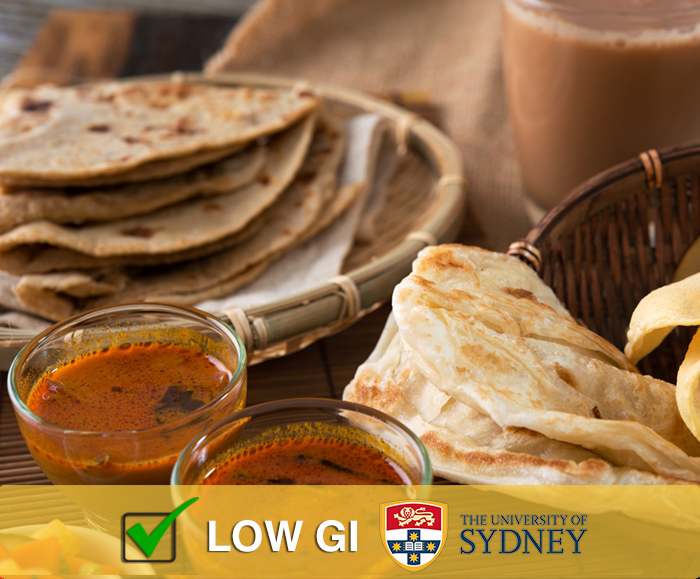
One of the most significant aspects of Holista's low-GI bread technology is its commercial scalability. The proprietary ingredient blend is supplied as a simple premix that bakeries can incorporate into their existing recipes and production processes with minimal adjustment. Holista has already partnered with major commercial bakeries across Malaysia, Singapore, and Indonesia, enabling the production of low-GI white bread at scale. These partnerships have resulted in low-GI bread appearing on supermarket shelves at price points comparable to conventional bread — removing the cost barrier that often prevents healthier food options from reaching mainstream consumers.
Clinical Results and Consumer Impact
The clinical evidence behind Holista's low-GI bread technology is robust. In a randomised, double-blind crossover study, participants who consumed Holista's low-GI bread showed significantly lower postprandial (after-meal) blood glucose levels compared to those who ate conventional white bread of identical appearance and taste. The area under the glucose curve was reduced by 40–50%, placing the bread firmly in the low-GI category. For the estimated 540 million people worldwide living with diabetes, and the hundreds of millions more with prediabetes or metabolic syndrome, this technology offers a practical, enjoyable way to better manage blood sugar without dietary sacrifice.
“Our goal is not to take away the foods people love — it is to make those foods work better for their health. Low-GI bread is proof that science and indulgence can coexist.”
— Holista Food Science Division