
The Rise of Health-Conscious Indulgence
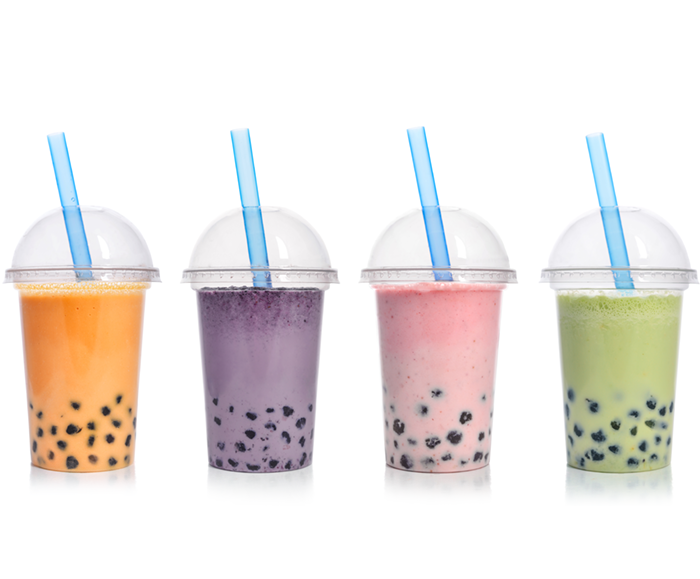
Bubble tea has become one of the most popular beverages across Asia and beyond, with the global market valued at over USD 4 billion. Yet for all its appeal, traditional bubble tea is essentially a sugar bomb — a single serving can contain 50 to 70 grams of sugar, far exceeding the World Health Organisation's recommended daily limit of 25 grams. As consumers become more health-literate, they are demanding smarter options: beverages that deliver the same sensory experience with a significantly reduced impact on blood sugar.
Understanding the Glycemic Index
The Glycemic Index (GI) is a scale from 0 to 100 that ranks foods and beverages based on how quickly they raise blood glucose levels after consumption. Pure glucose scores 100, while foods with a GI below 55 are classified as low-GI. Low-GI foods are digested and absorbed more slowly, producing a gradual rise in blood sugar rather than a sharp spike followed by a crash. This steadier energy release helps maintain satiety, supports sustained focus, and reduces the risk of insulin resistance over time.
The future of food is not about deprivation — it is about innovation that lets people enjoy what they love, guilt-free.
How Holista Transforms Beverages
Holista's proprietary low-GI technology works by modifying the way sugars and starches interact during digestion. Rather than replacing sugar with artificial sweeteners — which can carry their own health concerns and often produce an off-putting aftertaste — Holista's approach uses natural, plant-derived ingredients that slow the enzymatic breakdown of carbohydrates in the gut. The result is a beverage that tastes identical to its conventional counterpart but produces a glycemic response up to 50% lower.
This technology has been validated through clinical trials and has already been successfully applied to bread, noodles, and rice products across Southeast Asia. Bubble tea represents the latest frontier in this expansion.
Taste Preservation: The Non-Negotiable
One of the most common failures in “healthy” food reformulation is compromising on taste. Holista's food scientists have invested years in ensuring that their low-GI formulations are indistinguishable from the original in blind taste tests. The tapioca pearls retain their signature chewy texture, the tea base maintains its aromatic depth, and the overall sweetness profile remains satisfying. This commitment to taste preservation is what transforms a laboratory breakthrough into a commercially viable product.
A Model for the Future of Functional Foods
Low-GI bubble tea is more than a novelty product — it represents a model for how the entire food and beverage industry can evolve. By embedding health benefits into existing favourites rather than asking consumers to switch to unfamiliar alternatives, Holista is making better nutrition accessible and effortless. As regulatory frameworks in countries like Singapore, Malaysia, and Australia increasingly favour low-GI labelling, brands that adopt this technology early will gain a meaningful competitive advantage.
“The future of food is not about deprivation; it is about innovation that lets people enjoy what they love, guilt-free.”
— Holista Food Science Division