

What Are Probiotics?
Probiotics are live microorganisms that, when consumed in adequate amounts, confer a health benefit on the host. Often referred to as “good bacteria,” these microscopic allies work alongside the trillions of microbes already residing in your gastrointestinal tract. Unlike antibiotics, which indiscriminately kill bacteria, probiotics selectively reinforce the populations of beneficial organisms that support digestion, nutrient absorption, and immune function.
They are found naturally in fermented foods such as yoghurt, kimchi, and tempeh, but supplementation offers a more controlled and consistent way to deliver specific strains in clinically effective doses.
A healthy gut is the foundation of whole-body wellness. Probiotics are not a trend — they are a scientifically validated tool for better health.
The Gut Microbiome: Your Internal Ecosystem
Your gut microbiome is a complex ecosystem containing an estimated 100 trillion microorganisms from over 1,000 different species. This internal community weighs roughly 1.5 to 2 kilograms and is sometimes described as a “hidden organ” due to its profound influence on health. A balanced microbiome helps break down dietary fibre into short-chain fatty acids, synthesises essential vitamins like B12 and K2, and forms a protective barrier against pathogenic invaders.
CFU Counts: How Much Do You Really Need?
CFU stands for Colony Forming Units, a measure of the number of viable bacteria in a probiotic supplement. You will see products ranging from 1 billion to 100 billion CFUs per serving, which can be confusing. The truth is that more is not always better. What matters most is not just the total count but the viability of the organisms at the time of consumption — they must survive stomach acid and reach the intestine alive to be effective.
Choosing the Right Strains
Not all probiotic strains serve the same purpose. Lactobacillus acidophilus is one of the most well-studied strains for lactose digestion and vaginal health. Bifidobacterium longum has been shown to reduce gut inflammation and support the immune response. Lactobacillus rhamnosus GG is particularly effective for preventing antibiotic-associated diarrhoea in both children and adults.
When selecting a probiotic supplement, look for products that identify strains down to the species and strain level (e.g., Lactobacillus acidophilus La-5), as health benefits are strain-specific rather than species-wide. Multi-strain formulations can offer broader benefits by addressing multiple aspects of gut health simultaneously.
How LACTO-5 Supports Your Gut Health
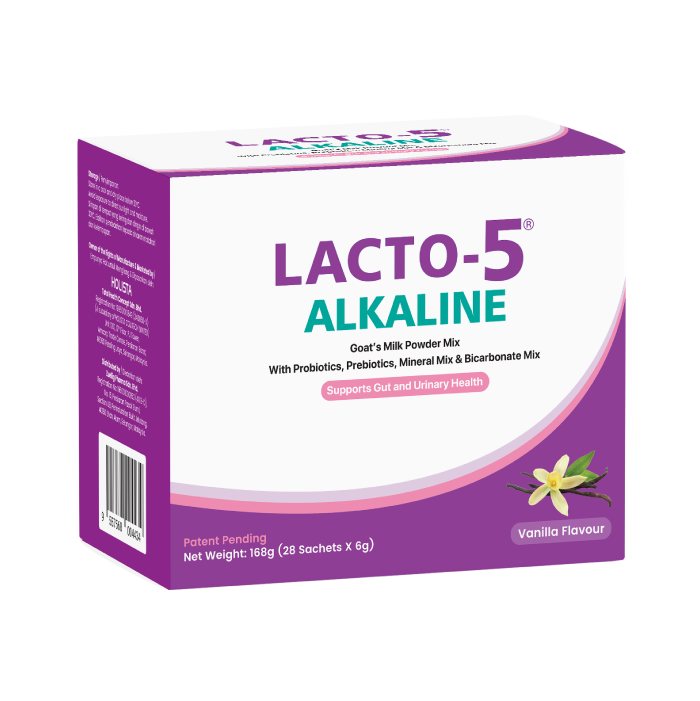
LACTO-5 by Holista is a scientifically formulated multi-strain probiotic that delivers five carefully selected bacterial strains in clinically relevant doses. Each serving provides a balanced combination of Lactobacillus and Bifidobacterium species chosen for their complementary benefits — from improving nutrient absorption and reducing bloating to strengthening intestinal barrier integrity.
The LACTO-5 Alkaline variant goes further by incorporating alkaline-forming minerals that help maintain an optimal pH environment in the gut, creating conditions where beneficial bacteria thrive and harmful organisms struggle to take hold. With a shelf-stable formulation that does not require refrigeration, LACTO-5 makes daily probiotic supplementation both convenient and effective.
“A healthy gut is the foundation of whole-body wellness. Probiotics are not a trend — they are a scientifically validated tool for better health.”
— Holista Nutrition Team